CLOSE

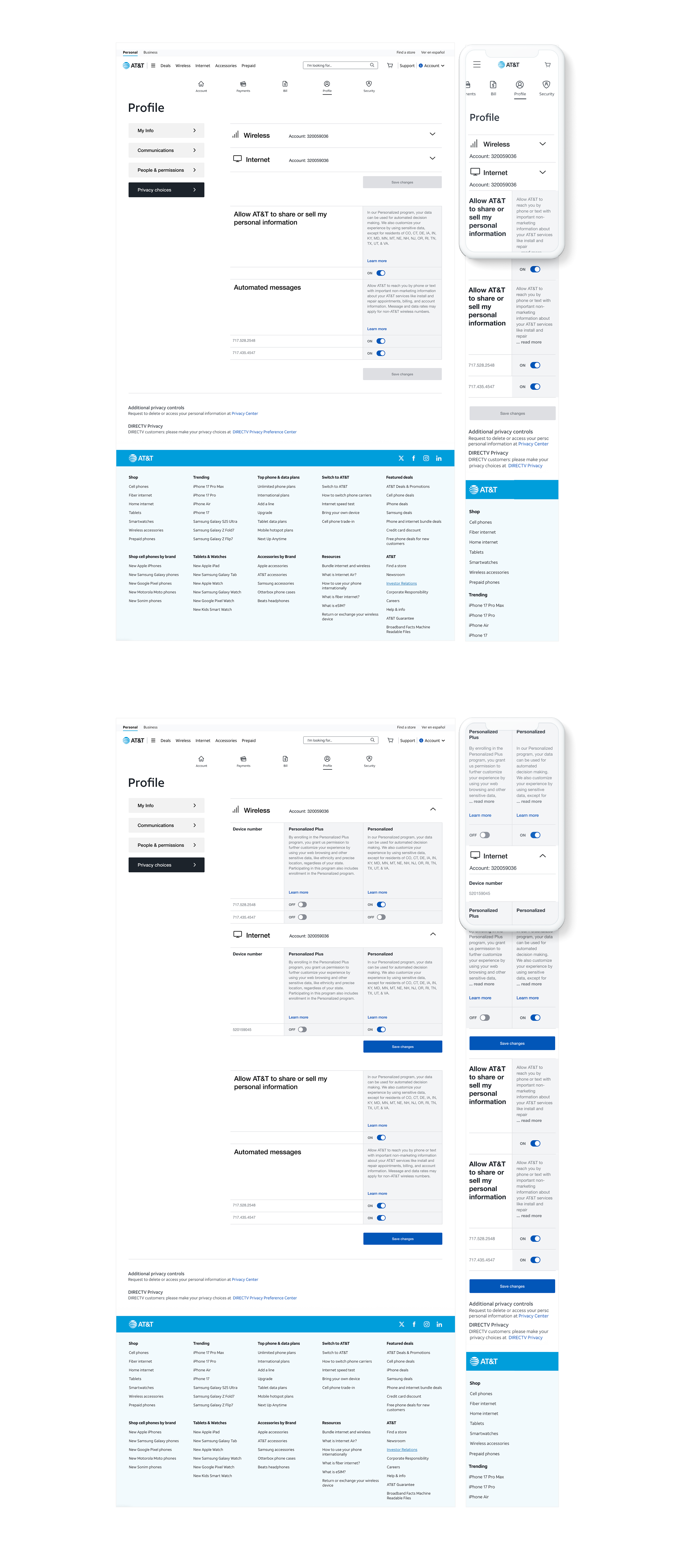
Redesigned AT&T’s customer privacy controls to meet new U.S. privacy laws while creating a scalable framework that can support future consent programs.
Senior Product Designer
Web App Payment & Profile Experience Design
Discovery, Strategy & Experience Design

The Challenge of Designing Transparent Privacy
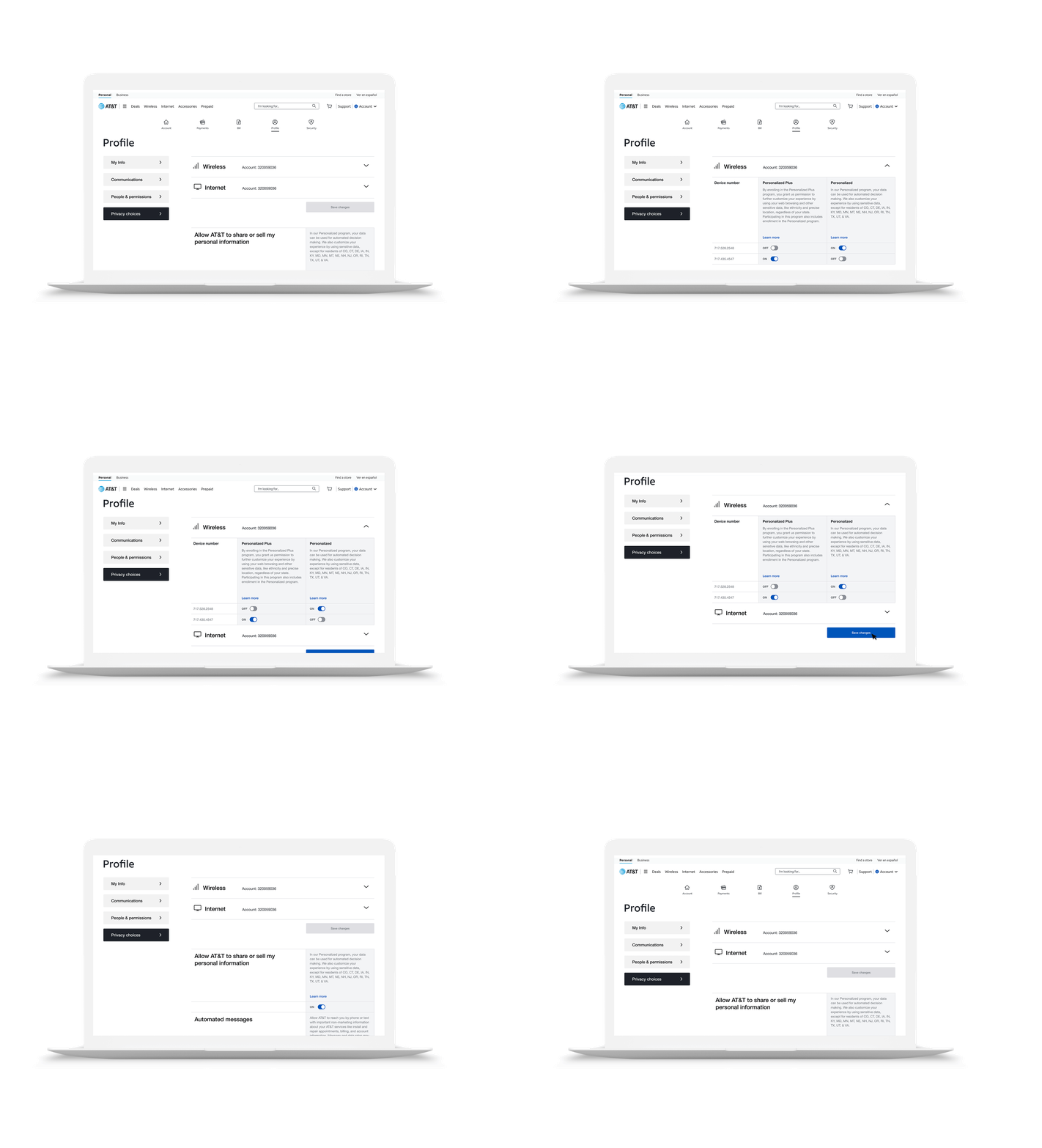
The privacy experience had become fragmented, with controls spread across multiple pages and programs, making it difficult for customers to understand their options or see how their choices connected. At the same time, the regulatory landscape was shifting, new state privacy laws were raising expectations around transparency, sensitive data use, and consumer consent, while regulators were beginning to scrutinize dark patterns, interface designs that can subtly steer users toward decisions they may not fully intend to make.
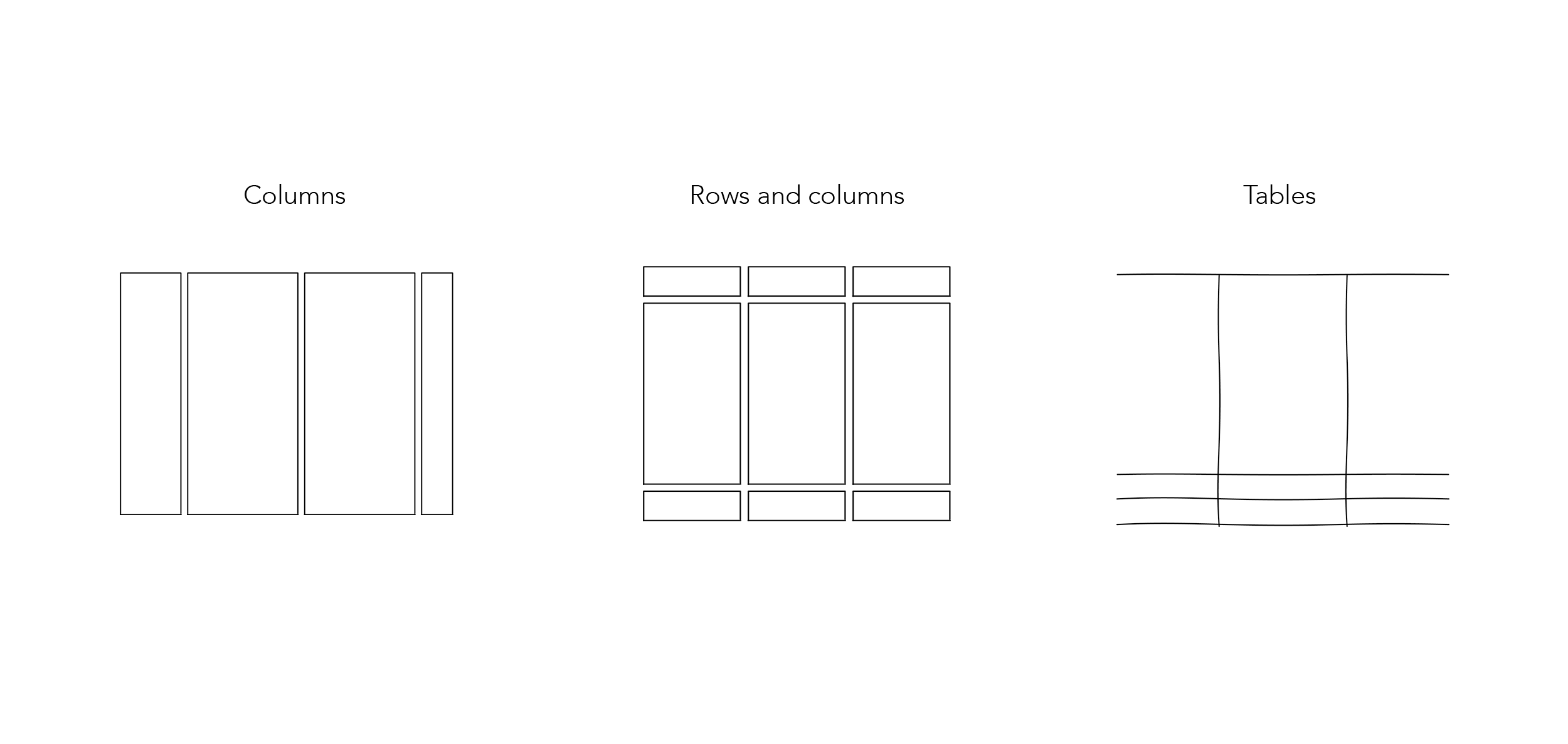
I needed to design a system that presented privacy choices clearly and neutrally while meeting evolving legal and compliance requirements. To address this challenge, I focused on creating a structure that could simplify complex consent information while remaining scalable as privacy programs continue to evolve. Since privacy settings are often reviewed across different devices, the layout also needed to adapt naturally to varying screen sizes.
The Scalable Solution
On desktop, the table structure allows users to compare programs side by side and quickly scan their options. On smaller screens, the layout shifts into stacked modules, where each program becomes a contained section that expands to reveal additional detail while maintaining readability. This approach helped keep complex privacy information understandable across both desktop and mobile experiences.